UGC stands for user-generated content. In ads, it means video and images that look like they were filmed by an ordinary person on their phone. Here’s what it is, why it works, what it doesn’t fix, and how to get it.
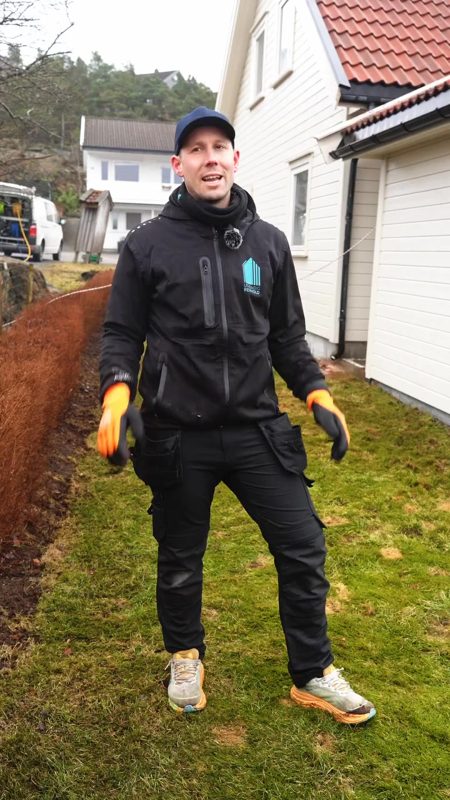
UGC stands for user-generated content. In practice, it’s video and images that look like they were filmed by an ordinary person on their phone. Someone unboxing a product on the kitchen counter. Someone talking straight into the selfie camera about something she’s tried. Natural light, slightly uneven sound, no studio.
Still, most of the UGC you see in ads isn’t made by random customers. It’s made by creators who get paid for it, or cut from raw footage the company has collected. “User-generated” describes how the content looks, not necessarily who made it.
On Facebook, Instagram, TikTok and Snapchat, your ad competes with content from friends and people users follow. Anything that looks like a commercial gets scrolled past. A person talking straight to the camera looks like what people are there to see, and so gets a few more seconds of attention. Those seconds are what the ad has to say something.
What separates a good UGC ad from a bad one is rarely image quality. It’s the first two to three seconds (the hook), that it’s shot vertically (9:16), and that it has on-screen text for everyone watching without sound. Meta and TikTok also find the audience based on what’s in the ad, so a focused video performs better than a broad one.
UGC isn’t always the winner. For Mokki (sunglasses for kids), simple image ads also worked well. CMO Mattis Ohana Goksøyr wrote to us: “Wow, even the statics are working so well! Great job, guys, fantastic.” That’s why we always test several formats against each other.
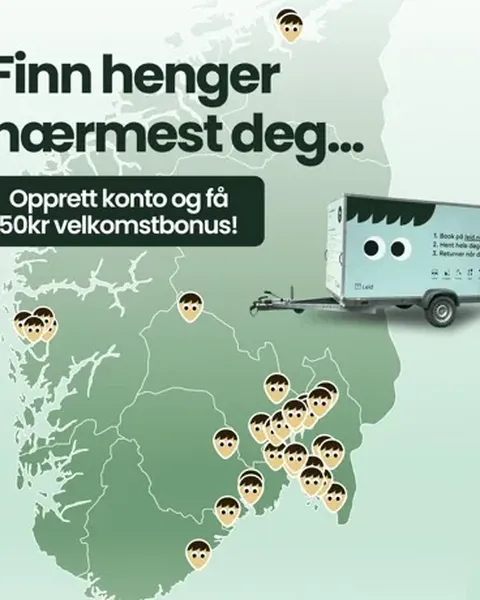
When we ran the ads for Leid.no (trailer rental), we made UGC, image ads and Snapchat formats side by side and let the numbers decide. The account ended up at 4.73x ROAS across channels, on more than NOK 100,000 a month in ads. It wasn’t one video that did it, but enough variants to find the ones that worked.
An influencer lends you their audience. You pay for their reach, and the content lives on their channel. A UGC creator makes content you use in your own ads, aimed at your own audience, and doesn’t need a single follower. You’re buying the content, not the reach.
The two can be combined. With partnership ads, you run the ad from the creator’s profile, but with your budget and your targeting. For Mokki, we recruited creators with detailed scripts and ran the ads that way.
If your tracking is broken or your landing page makes it hard to find the price or the form, it doesn’t matter how authentic the video feels. Fix the measurement and the page first, then the content. Clinics and aesthetic treatments have their own rules: no before and after images, not even in UGC.




The numbers come from our clients’ own ad accounts.
See also: Google Ads agency · Meta Ads agency · Performance marketing agency · What is UGC? · Google Ads agency Oslo
Send us your website and we’ll put together a concrete proposal for ads and a landing page for your business, showing how it would look with your brand. You’ll get it by email within a couple of days, and it’s yours to keep either way.
Free · no lock-in contract · we never share your info
Rather talk directly? Book 30 minutes in the calendar → · victor@arcads.no